
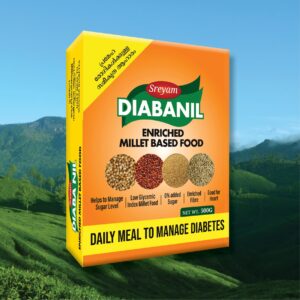
Millet-Based Food Production and Distribution Process for Diabanil
The production and distribution of five consecutive millet-based meals,
specifically focusing on managing diabetes through ‘Diabanil’,
a daily meal plan rich in millet.
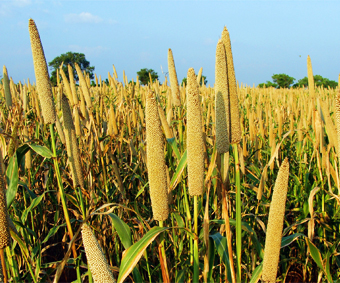
Procurement from Farmers
Direct Sourcing: Millet (such as pearl millet, finger millet, foxtail millet, etc.) is directly procured from farmers, ensuring fresh, organic, and high-quality produce.
Fair Trade: Build strong relationships with farmers to ensure they receive fair compensation, fostering sustainable farming practices.
– Quality Assurance at Source: Regular inspections at the farms to ensure that the millet meets the desired standards (free from pesticides, properly harvested, etc.).
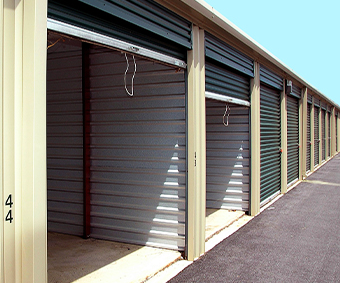
Storage
Optimal Conditions: Upon procurement, the millet is stored in warehouses under controlled conditions to prevent moisture, pests, and spoilage. Regular inventory updates and quality checks are essential at this stage.
Batch Management: A tracking system is implemented to record details of each millet batch, ensuring traceability throughout the production cycle.
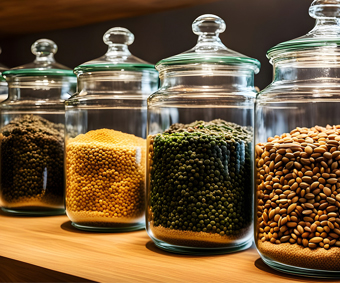
Processing
Cleaning and Sorting: Once the millet arrives at the processing unit, it is thoroughly cleaned to remove dirt, stones, and other impurities.
Milling and Grinding: Depending on the requirement for each meal, the millet may be milled into flour or left in its whole form. Specialized milling equipment ensures consistency and quality.
Nutrient Fortification (Optional): In some cases, fortifying the millet with additional nutrients might be considered to enhance the health benefits for diabetic consumers.

Quality Control
Testing for Nutrient Consistency: Every batch undergoes testing to ensure that it meets the specified nutrient content required for a diabetes-friendly meal.
Hygiene and Safety Standards: Regular audits of the production unit ensure that all safety and hygiene protocols are followed.

Distribution
Efficient Logistics: Once packaged, the meals are transported through an optimized supply chain to ensure they reach the consumers as fresh as possible.
Delivery to Consumers/Stores: Depending on the distribution model, the meals can be delivered directly to end consumers or through retail outlets, meal subscription services, or healthcare facilities.
Cold Chain Management: For ready-to-eat or pre-cooked meals, a cold chain system can ensure the products remain fresh until they reach the consumer.
Feedback Loop and Updates
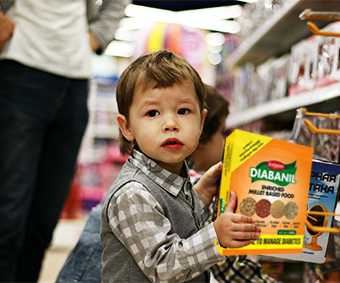
Consumer Feedback: A mechanism for collecting feedback from consumers to improve taste, quality, and service.
Monitoring Diabetic Outcomes: Partner with healthcare professionals to monitor how the meal plan helps diabetic patients manage their blood sugar levels and adjust recipes accordingly.
Continuous Improvement: Regular updates to recipes, packaging, and distribution based on feedback and changing consumer needs.
Meal Preparation
Five Distinct Meal Plans:
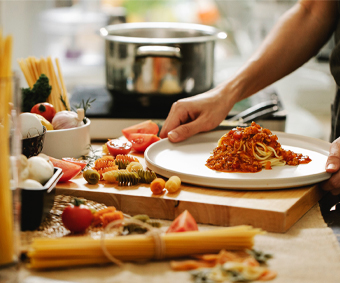
Day 1: Millet porridge with vegetables and herbs.
Day 2: Millet pancakes (rich in protein and fiber).
Day 3: Millet upma or khichdi with legumes.
Day 4: Millet salad with grilled vegetables and seeds.
Day 5: Millet-based rotis with a side of healthy greens and protein-rich curries. Recipe Formulation: Each recipe is developed to balance carbohydrates, proteins, healthy fats, and fibres, all while keeping in mind the glycaemic index suitable for diabetic patients. Cooking and Packaging: The meals are prepared under hygienic conditions and packaged in eco-friendly, temperature-controlled packaging to ensure freshness during delivery.